This is a presentation I gave to the Conejo Valley Amateur Radio Club (CVARC) on October 15, 2026. It explores the dramatic wireless communications failures aboard the Titanic, from the overlooked iceberg warnings to the heroic final transmissions of Jack Phillips and Harold Bride. The presentation traces how the disaster transformed maritime radio and safety regulations—and draws lessons that still apply to emergency communications today.
Author: Andy Ludlum
The Last Grizzly
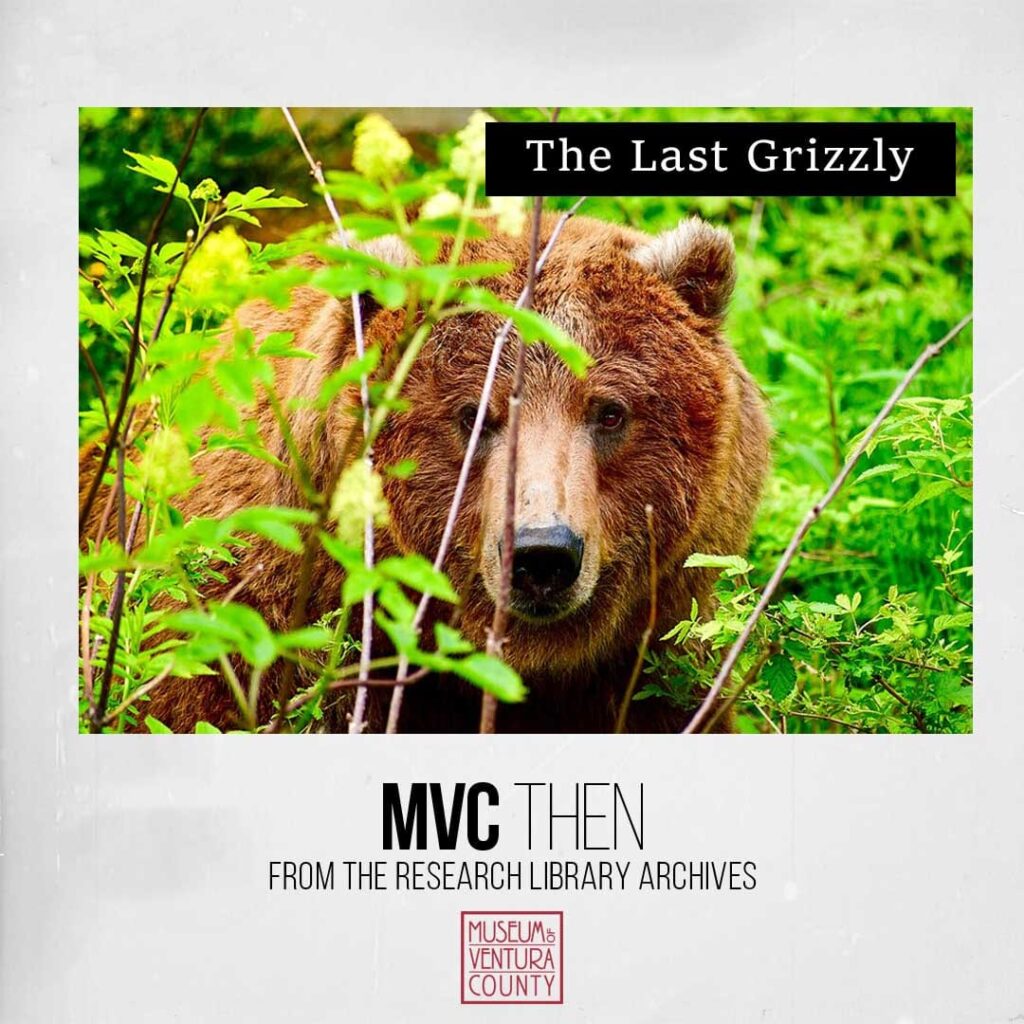
By Library Docent Volunteer Andy Ludlum
On August 7, 1926, Ojai District Ranger Earl Branson quietly documented an encounter that, by all accounts, should not have happened. Deep in the Santa Barbara National Forest, he came face to face with a California grizzly, an animal widely believed to have disappeared from the region two years earlier. His official report was factual and restrained, but beneath its understated language was the story of an encounter that briefly reopened the question of whether the state’s most legendary predator had truly vanished.
Read the Story: Museum of Ventura County
How We Respond to Sound
Why Your Brain Loves and Hates Certain Sounds
This is a presentation I gave to the Conejo Valley Amateur Radio Club (CVARC) on August 20, 2026. It covers how the human brain processes sound with real-world examples from movies, music, and even the “brown note.” The presentation explores how the science relates to amateur radio transceiver design.
Aisles of Change: From Counters to Carts
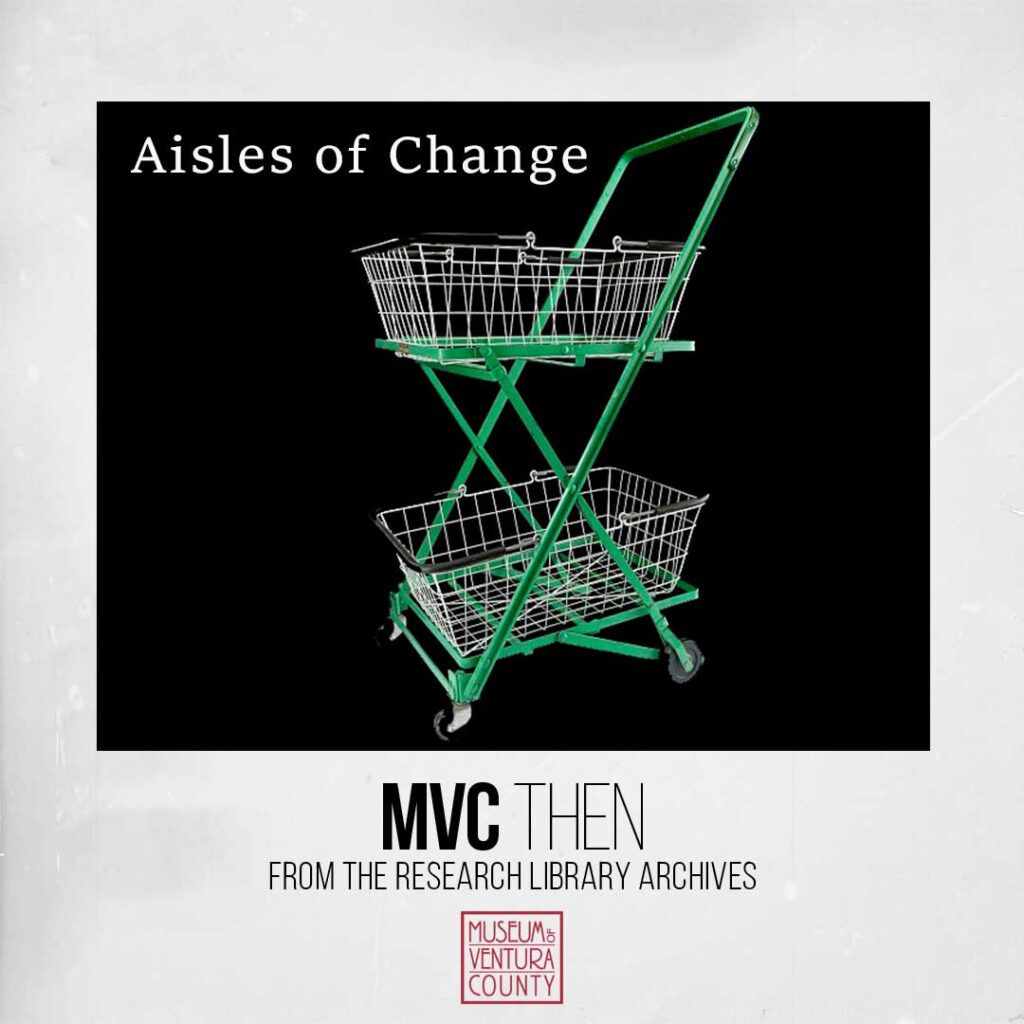
By Library Docent Volunteer Andy Ludlum
One evening in 1937, grocer Sylvan Goldman noticed a problem. Shoppers, often women with children, struggled to carry heavy baskets under their arms. Once the baskets got too full, they stopped buying. Looking around his office, Goldman spotted a folding chair and had an idea. With help from an employee, he built a prototype: a folding frame on wheels with two baskets stacked where the seat would be. It was the first shopping cart.
While the cart didn’t catch on right away, it soon became a symbol of modern convenience and spread across the country. After World War II, carts helped attract customers to larger supermarkets, including those in Ventura County.
Read the Story: Museum of Ventura County
Art From Cloth 2026
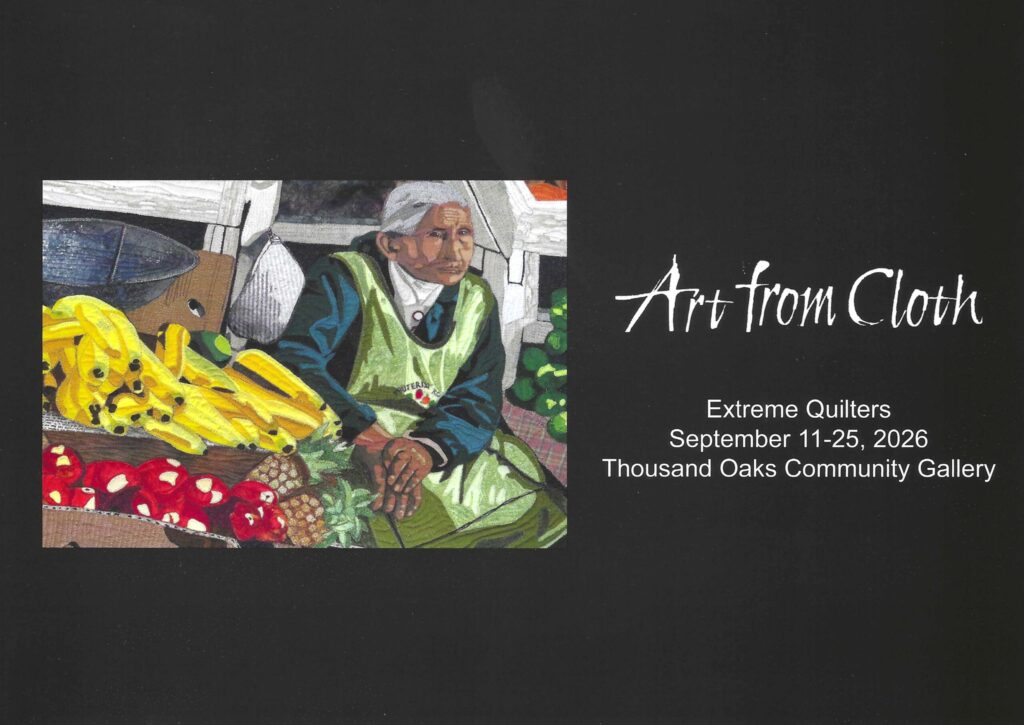
When: September 11-25, 2026, open daily 10 a.m. to 5 p.m.
Where: Thousand Oaks Community Gallery, 2331 Borchard Road, Newbury Park, California 91320
Bonus for visitors: A gift boutique featuring unique items made by artists in the show
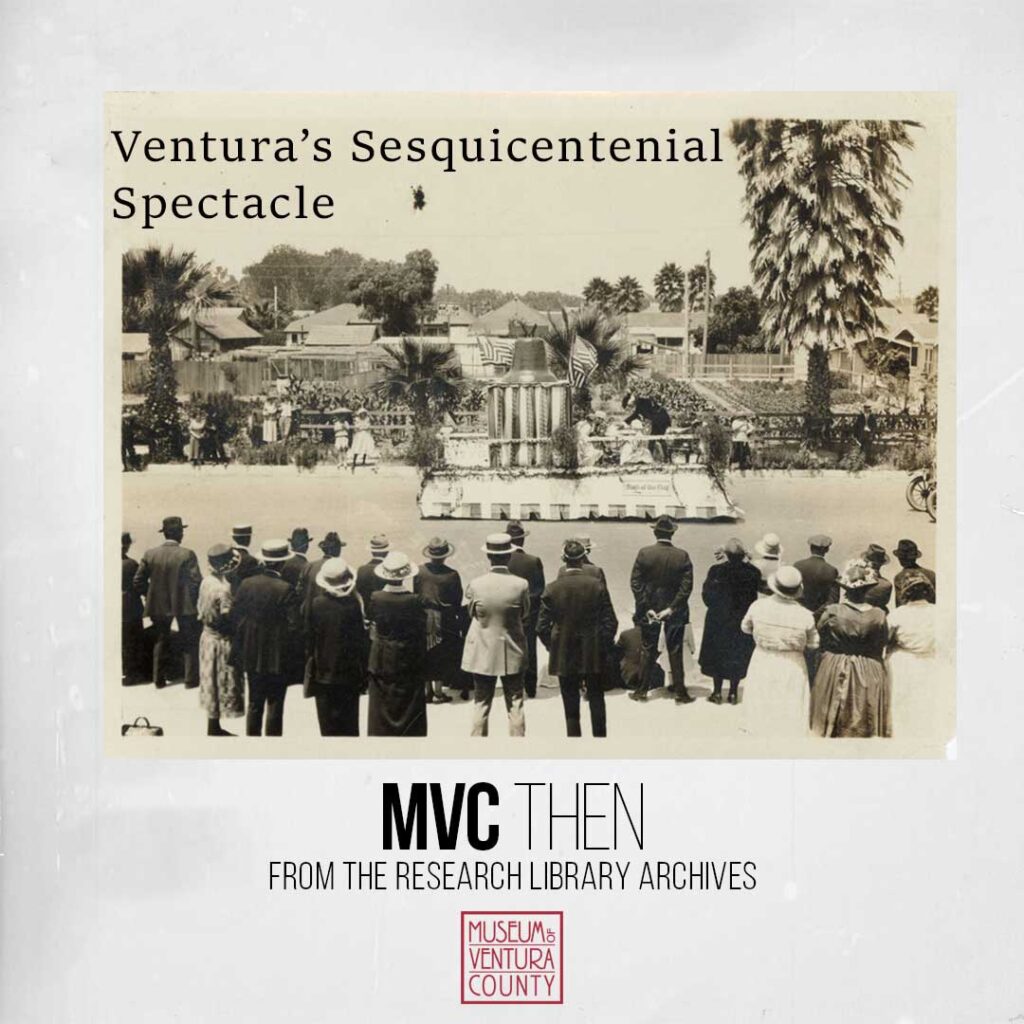
Ventura’s Sesquicentennial Spectacle
By Library Docent Volunteer Andy Ludlum
Moorpark had gone all out for Ventura’s massive 1926 Fourth of July parade. A Moorpark Enterprise columnist sat in an open touring car decorated with flags, bunting, and flowers. Two large signs in red, blue, and black lettering read: “California Apricot Exhibit,” “June 21–24,” and “Moorpark, the Home of the Apricot.” The columnist called the experience “astonishing and nearly unbelievable” and joked: “Never saw so many people before in all my life, and so many people never saw me before. Oft times I have done things to show myself off as a prune, they say, but Monday was the only time I have ever had the opportunity of trying to be an apricot.”
Ventura’s celebration marked the nation’s Sesquicentennial, the 150th anniversary of the Declaration of Independence. It was the largest and most dramatic patriotic event Ventura had ever staged and remains a landmark civic occasion to this day.
Read the Story: Museum of Ventura County